
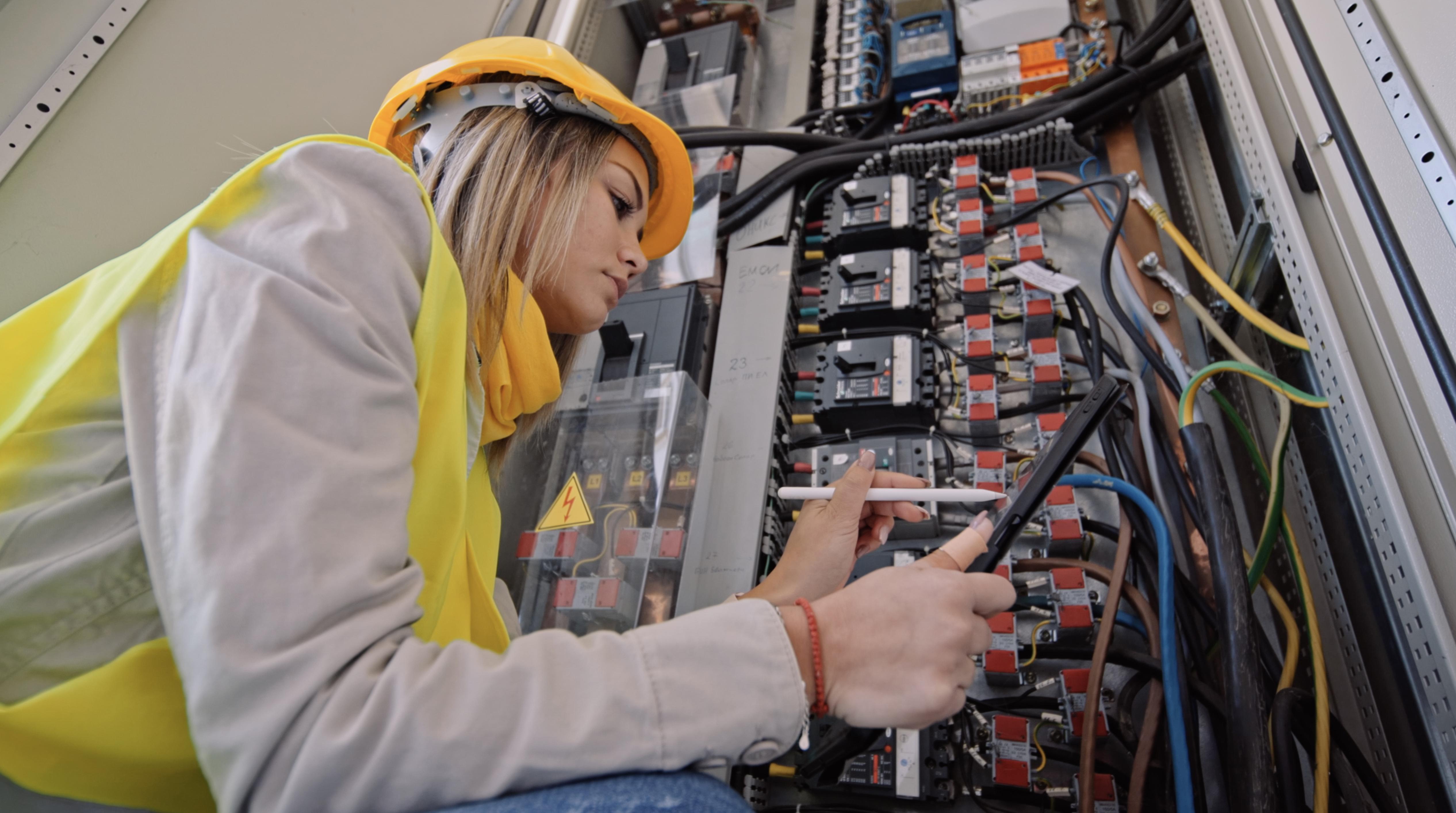
You do not always need experience or a technical degree to begin a low-voltage career. Many technicians started with basic tools, a willingness to learn, and the ability to show up ready to work.
If you are dependable, comfortable working with your hands, and interested in connected systems, an entry-level position may be the first step toward a long-term career.
What Is Low-Voltage Work?
Low-voltage professionals install, test, maintain, and troubleshoot systems that use less electrical power than traditional building power systems, including:
- Structured cabling and network infrastructure
- Security cameras and access control
- Fire alarm and life-safety systems
- Audio-visual equipment
- Wireless access points
- Building automation and communication systems
- Data center cabling and equipment
Entry-level workers may be hired as helpers, installers, cable technicians, or trainees. Responsibilities can include organizing materials, pulling and labeling cable, building pathways, assisting with devices, and maintaining clean work areas.
As your skills grow, you can work more independently or specialize in security, fiber optics, data centers, or audio-visual systems.
Recognize Your Transferable Skills
No low-voltage experience does not mean no relevant experience. Other jobs, school, military service, or personal projects may have prepared you.
Construction, warehouse, maintenance, automotive, cable, and manufacturing experience can translate well. Customer service roles may also demonstrate communication, reliability, and teamwork.
Employers commonly value candidates who can:
- Arrive on time and maintain dependable attendance
- Follow instructions and ask thoughtful questions
- Work safely and pay attention to detail
- Communicate clearly with supervisors and teammates
- Stay organized and care for tools and materials
- Perform physical work and remain productive throughout a shift
- Adapt when jobsite priorities change
Technical skills can be taught. Work ethic and a professional attitude help entry-level candidates stand out.
Learn the Basics Before You Apply
You do not need to master the trade first, but basic terminology can help you understand job descriptions and interviews.
Learn about common cable types, hand tools, jobsite safety, pathways, labeling, and installation versus service work. Videos, manufacturer resources, and introductory courses can help.
Certifications may strengthen your resume, but requirements vary. Before paying for training, review local openings or ask a recruiter which credentials would improve your opportunities.
Build a Simple Starter Tool Kit
Tool requirements differ, so confirm what you need before buying anything. Technicians may need screwdrivers, pliers, wire cutters, a tape measure, a utility knife, and work boots.
Start with required tools and add to your kit as your responsibilities expand. Label equipment, stay organized, and use every item safely.
Create a Resume That Shows Reliability
Focus your resume on experience with tools, equipment, safety procedures, physical tasks, measurements, teamwork, or detailed instructions.
Be specific. Instead of stating that you “helped with maintenance,” describe the equipment you used, the tasks you completed, and the standards you followed. If you have an excellent attendance record, a safety credential, reliable transportation, or the ability to work different shifts, include that information when appropriate.
Never claim experience you do not have. Entry-level employers expect you to need training. Being honest about what you know and enthusiastic about what you want to learn builds trust.
Treat Every Jobsite as a Classroom
Once you land your first opportunity, focus on learning and consistency. Pay attention during safety meetings, take notes, and ask questions at the right time. Learn the names of materials and tools. Watch how experienced technicians plan their work, route cable, solve problems, and communicate with other trades.
Quality matters. Clean cable runs, accurate labels, correct terminations, and an organized work area all contribute to a successful installation. Developing good habits early can help you earn additional responsibility and stronger references.
Your first assignment may not be your ideal specialty, but it can give you the experience needed to qualify for the next one. Each project can expand your skills, professional network, and understanding of the industry.
Take the First Step
A low-voltage career is built one skill and one project at a time. You do not need to know everything on day one. You need to be reliable, safety-conscious, willing to learn, and ready to put in the work.
Fieldlink connects candidates with low-voltage opportunities across structured cabling, security, audio-visual, data centers, and other critical infrastructure projects. Whether you are entering the trade or building on your existing experience, our recruiters can help you understand job requirements and identify opportunities that align with your skills.
About Fieldlink
Fieldlink (www.fieldlink.net) is the conduit to success in the network infrastructure and low-voltage industries. We specialize in building genuine connections between skilled professionals and leading integrators through data-driven talent solutions and deep industry expertise.
As a national staffing firm and Certified Women’s Business Enterprise (WBE), we provide specialized field deployment solutions across the U.S. for sectors including Data Centers, Audio Visual, Electronic Security, and Enterprise Cabling. Our comprehensive services include contract and surge staffing, contract-to-hire, direct placement, and Recruiting as a Service (RaaS).
Built by industry insiders, Fieldlink is comprised of former technicians, project managers, and executives who "speak integrator." We are committed to fostering a culture of integrity and excellence, ensuring our candidates find rewarding career paths and our clients build the dependable, high-quality teams they need to scale nationwide.